


Picky Dog
Managing Appetite Issues in Dogs
It’s More Than Being Picky.
When a dog walks away from the bowl, families are often told the dog is simply “picky.” But appetite is a health and behavior signal. Pain, nausea, dental discomfort, digestive problems, stress, medication effects, sensory changes, feeding routines, and learned patterns may all influence whether a dog feels safe and able to eat.
At Waggin Meals, we begin by asking why eating has become difficult. Our integrative approach brings together veterinary evaluation, feeding-behavior insight, complete and balanced nutrition, digestive support, and a calm mealtime environment.
IMPORTANT MEDICAL WARNING
A sudden or meaningful change in appetite should not be ignored. Contact your veterinarian when a dog suddenly refuses food, repeatedly skips meals, or has appetite loss with vomiting, diarrhea, drooling, difficulty chewing or swallowing, abdominal pain or swelling, lethargy, weakness, weight loss, pale gums, possible toxin exposure, or possible foreign-object ingestion. Seek emergency veterinary care for collapse, trouble breathing, repeated unproductive retching with a swollen abdomen, severe pain, or known toxin exposure.
Why Dogs Become Selective
“Picky” — or Trying to Tell You Something?
A dog who sniffs food and walks away, eats treats but refuses meals, accepts food only by hand, drops food from the mouth, avoids certain textures, or stops eating after an illness may not be acting stubborn. These patterns can come from one or several overlapping causes.
Medical discomfort: Dental disease, oral pain, nausea, digestive illness, pancreatitis, constipation, kidney or liver disease, endocrine disease, infection, or another health condition.
Pain or mobility limitations: Arthritis, neck discomfort, weakness, or an uncomfortable feeding position can make reaching or chewing food difficult.
Sensory changes: Aging, congestion, medication effects, reduced smell, or texture sensitivity can change how food is experienced.
Stress and environment: Noise, competition from other pets, travel, grief, household changes, fear, or an unpredictable routine can reduce appetite.
Learned feeding patterns: Repeatedly replacing a refused meal with tastier treats or table food may unintentionally teach a dog to wait for something better.
Diet-related factors: Abrupt food changes, too many extras, an unsuitable texture, an unbalanced diet, or a food associated with previous nausea may affect acceptance.
START WITH THE WHY
Appetite is not just a preference. It is information. Before treating a dog as difficult, look for the medical, emotional, environmental, and nutritional reason the bowl has become a struggle.

The Integrative Approach
1. Rule Out Medical Issues
Behavior should not be the first explanation for a new or worsening appetite problem. Dental disease, nausea, pain, gastrointestinal disorders, systemic illness, medication effects, and other conditions can change appetite. A veterinary examination may include an oral exam, review of symptoms and medications, bloodwork, urinalysis, fecal testing, dental imaging, abdominal imaging, or other diagnostics when indicated.
2. Support the Gut–Brain Connection
The digestive system and brain communicate through nerves, hormones, immune pathways, and substances produced by intestinal microbes. Stress can affect digestion, and digestive discomfort can affect mood, behavior, and willingness to eat. The foundation remains appropriate veterinary care, a complete and balanced diet, suitable fiber and hydration, a stable routine, and an individualized plan.
3. Optimize Nutrition
Choose a complete and balanced diet that is appropriate for the dog’s life stage and medical needs. Consider calorie density, portion size, protein and fat tolerance, fiber needs, texture, aroma, moisture, hydration, and palatability. Fresh or homemade diets must be properly formulated and supplemented for long-term feeding.
4. Reduce Stress and Anxiety
Use a predictable routine, calm handling, and a quiet feeding space. Reduce competition, pressure, hovering, and sudden changes whenever possible. Feed dogs separately when another pet creates rushing, staring, guarding, or anxiety.
5. Manage Treats and Extras
Treats, chews, table food, supplements, and foods used for medication all count. Keep extras below 10% of daily calories unless the veterinary team directs otherwise. Do not replace every refused meal with a more exciting food, because this can teach a dog to wait for an upgrade.
6. Add Clinical or Behavioral Support When Needed
Some dogs need treatment for pain or nausea, veterinary appetite support, hydration support, a structured behavior plan, or collaboration with a veterinary nutritionist, veterinary behaviorist, trainer, or another qualified professional. Do not begin appetite stimulants, anti-nausea products, supplements, or elimination diets without professional guidance.
Feed With Intention
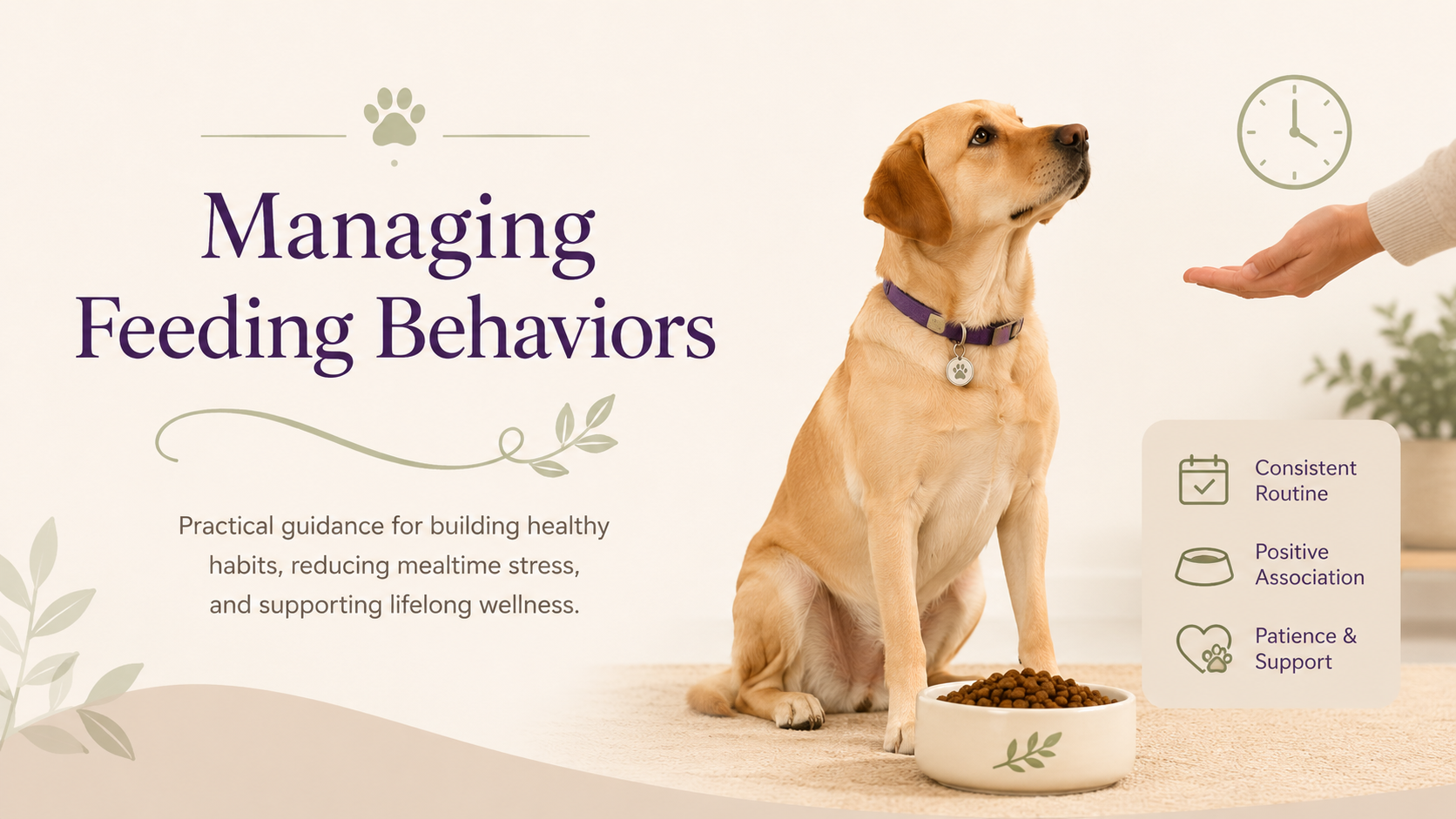
Once urgent medical concerns have been addressed, a calm and consistent feeding routine can reduce confusion and help prevent accidental reinforcement of meal refusal.
- Offer measured meals at consistent times instead of leaving food available all day, unless your veterinarian has prescribed another schedule.
- Feed in a quiet, comfortable area away from household traffic, loud appliances, children, or pets that create pressure.
- Use a stable, non-slip feeding surface and a bowl or plate that is comfortable for your dog’s size, face shape, mobility, and feeding posture.
- Allow a consistent, time-limited meal opportunity. Promptly cover and refrigerate unused fresh, canned, or pouched food according to the product directions.
- Avoid hovering, pleading, forcing, or repeatedly adding a more exciting ingredient after your dog refuses the meal.
- Track how much was offered and eaten, along with stool quality, vomiting, medications, treats, weight, and behavior around the bowl.
- Use puzzle feeders or lick mats only when they make eating calmer and easier. Stop if they create frustration or reduce food intake.
A SAFE MEALTIME RESET
A structured reset should never mean starving a dog into compliance. First rule out illness. Then choose one appropriate diet, reduce unnecessary extras, establish a calm schedule, and record intake. Puppies, toy breeds, diabetic dogs, seniors, pregnant or nursing dogs, and medically fragile dogs should not have food withheld without veterinary instruction.
Behavior Matters
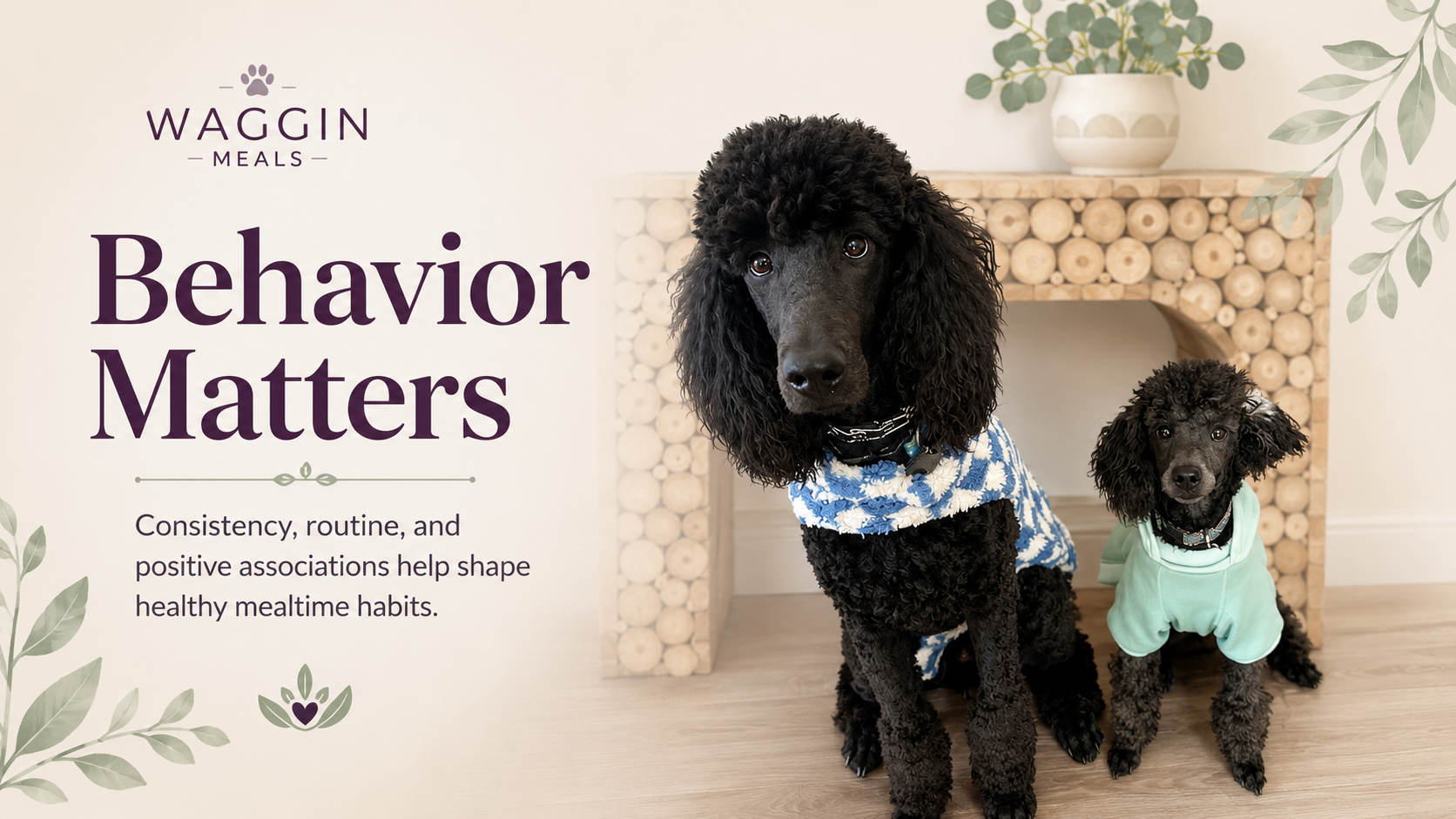
Feeding behavior is shaped by emotion, learning history, environment, and physical comfort. A dog may refuse food because the feeding area feels unsafe, because eating previously predicted nausea or pain, or because refusing has consistently produced a more desirable option.
- Keep the meal location, serving method, and timing predictable.
- Separate dogs during meals to reduce competition, staring, rushing, or guarding.
- After illness, consider whether the dog has formed a negative association with a certain food, bowl, room, or medication routine.
- Use gradual positive reinforcement rather than pressure or punishment.
- Seek professional behavior support when fear, guarding, panic, or long-standing food aversion interferes with eating.
- Quiet companionship may reassure one dog and pressure another. Watch your dog’s body language and adjust.
Treats and Appetite
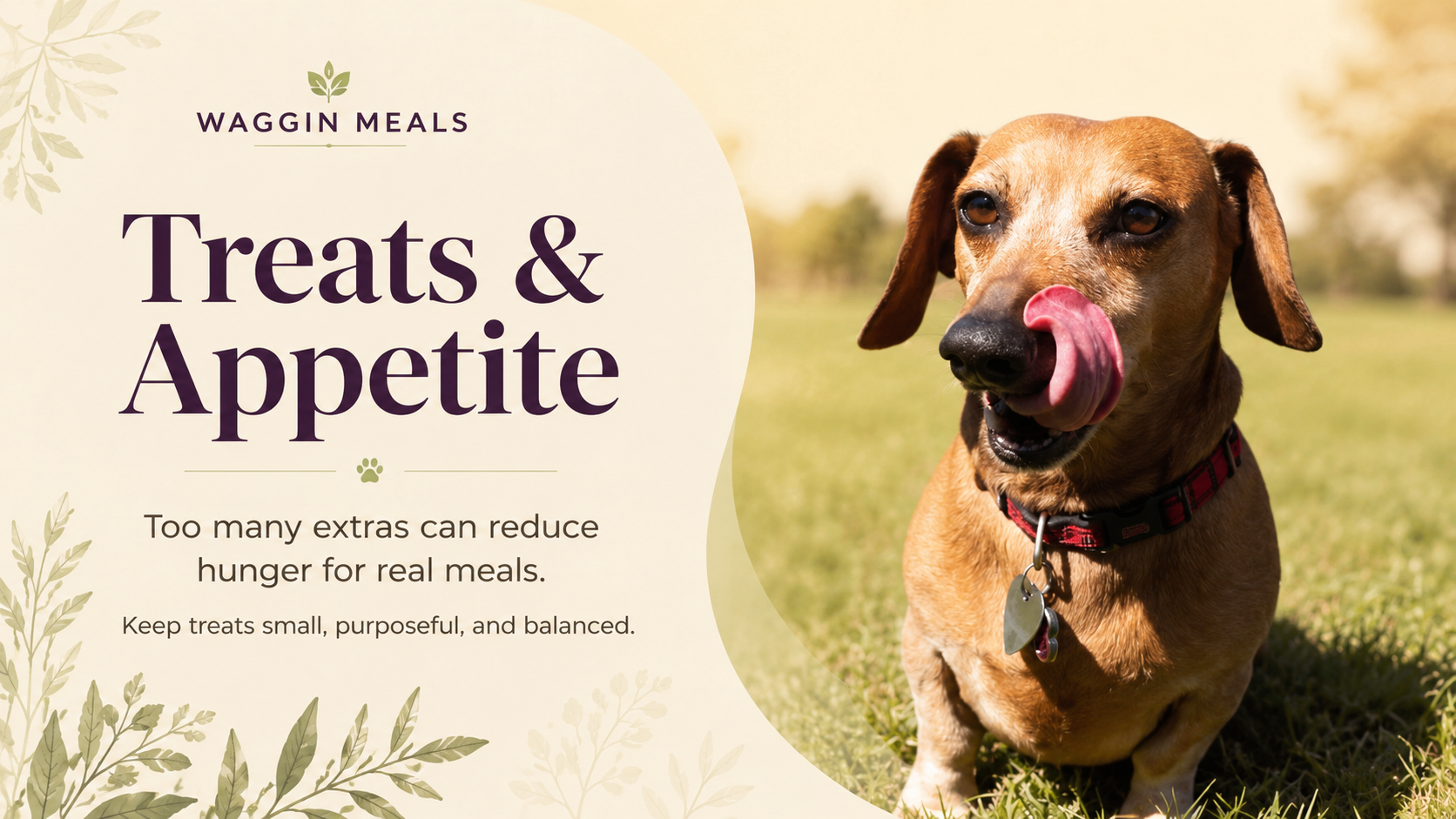
Treats can strengthen the bond between people and dogs and can support training and enrichment. Problems begin when extras replace the nutrition, appetite, or consistency of the main diet.
- Keep treats, chews, table food, supplements, and medication foods below 10% of daily calories unless a veterinary professional has created another plan.
- Remember that very small treats can still be calorie-dense, especially for small dogs.
- Use part of the dog’s measured meal as training rewards when practical.
- Do not replace every refused meal with cheese, meat, treats, or a new food.
- A short, veterinarian-approved reduction in nonessential extras may help reveal true appetite and simplify the feeding pattern.
- Never remove medically necessary food or medication supports without speaking with the veterinary team.
When to Contact Your Veterinarian
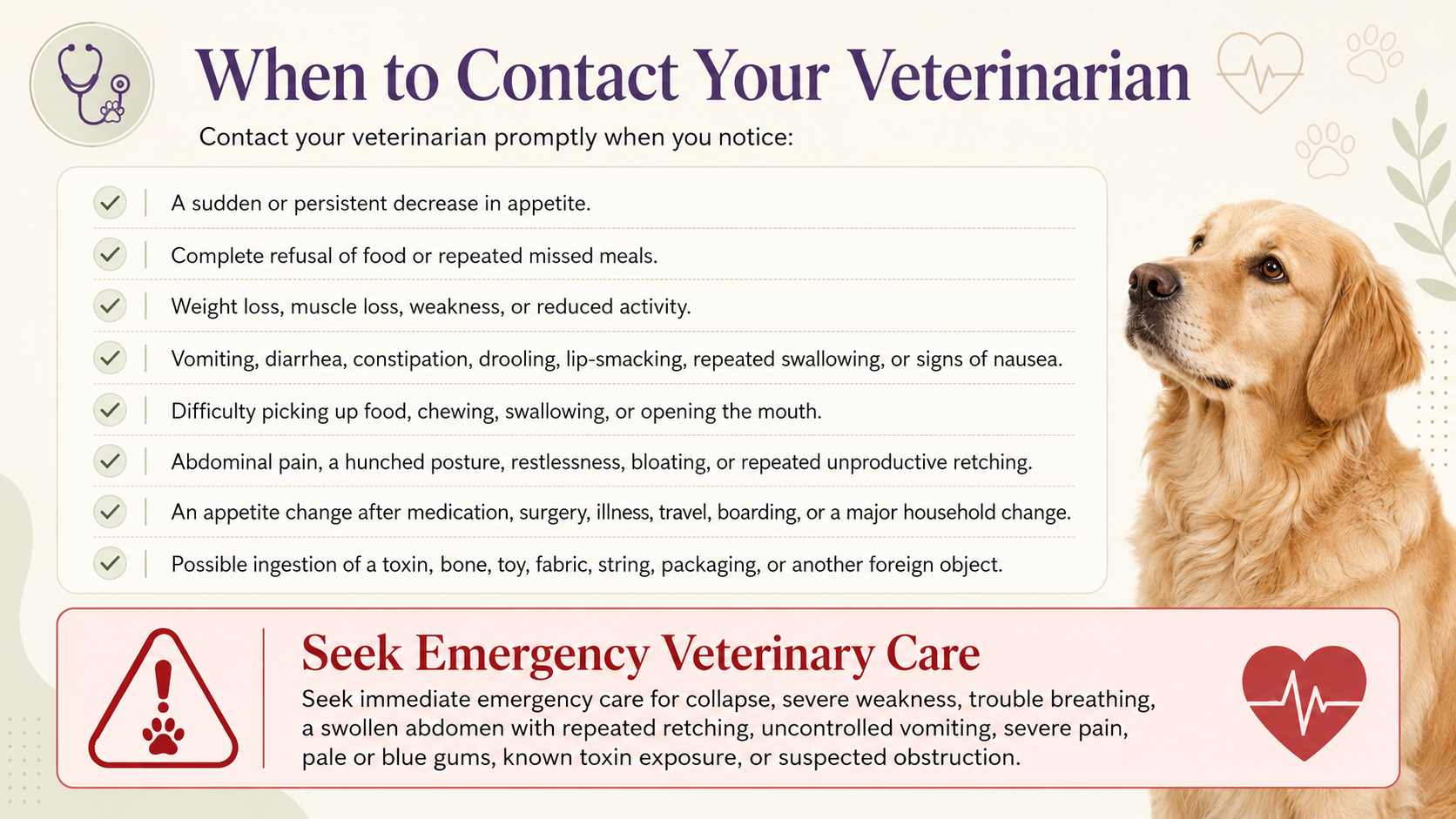
Contact your veterinarian promptly when you notice:
- A sudden or persistent decrease in appetite.
- Complete refusal of food or repeated missed meals.
- Weight loss, muscle loss, weakness, or reduced activity.
- Vomiting, diarrhea, constipation, drooling, lip-smacking, repeated swallowing, or signs of nausea.
- Difficulty picking up food, chewing, swallowing, or opening the mouth.
- Abdominal pain, a hunched posture, restlessness, bloating, or repeated unproductive retching.
- An appetite change after medication, surgery, illness, travel, boarding, or a major household change.
- Possible ingestion of a toxin, bone, toy, fabric, string, packaging, or another foreign object.
SEEK EMERGENCY VETERINARY CARE
Seek immediate emergency care for collapse, severe weakness, trouble breathing, a swollen abdomen with repeated retching, uncontrolled vomiting, severe pain, pale or blue gums, known toxin exposure, or suspected obstruction.
The Dog Food Lady’s Final Thought
If your dog is struggling at the bowl, please don’t lose hope.
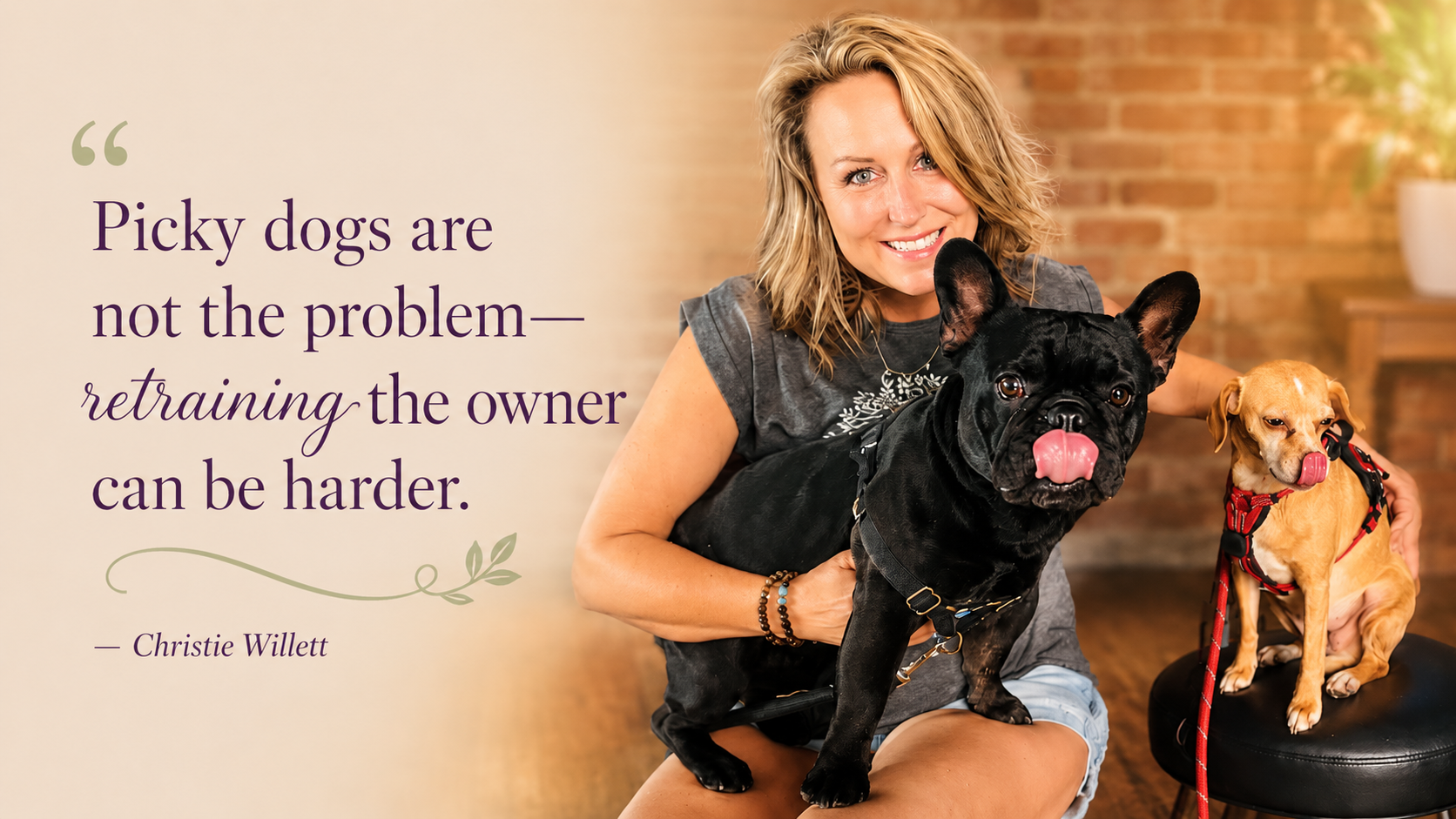
Picky eating is rarely just stubbornness-it is communication. With patience, consistency, the right feeding plan, and expert guidance, most dogs can learn to feel safe, nourished, and confident at mealtime again. At Waggin Meals, we are feeding experts who help families understand the why behind the behavior. There is hope for picky dogs, and you do not have to figure it out alone.

When Mealtime Has Become a Daily Struggle, You Do Not Have to Figure It Out Alone.
Waggin Meals combines integrative nutrition assessment, feeding-behavior insight, practical meal planning, and collaboration with veterinary professionals. We help families look beyond the label of “picky” and create an individualized plan that supports the dog from the inside out.
Questions about nutrition services?
Call Waggin Meals at (828) 774-5150.
Waggin Meals does not provide emergency veterinary care.
Disclaimer
EDUCATIONAL AND MEDICAL DISCLAIMER
Educational only. This page is not a diagnosis and does not replace veterinary examination, diagnosis, or treatment. Sudden, persistent, or severe appetite loss may be urgent. Contact your veterinarian or an emergency veterinary clinic for medical concerns. Nutrition and feeding recommendations must be individualized. Do not begin medications, supplements, appetite stimulants, anti-nausea products, elimination diets, or homemade diets without appropriate professional guidance. Waggin Meals Pet Nutrition Co. does not provide emergency veterinary services.