


Nutrition Tools

Feeding Calculator
Estimate how much Waggin Meals your dog may need as a complete meal or as a 20% fresh-food topper. This is a starting guide—not an exact prescription.
Feeding, Shipping & Storage Guide
Everything you need to receive, store, portion, transition, and feed your Waggin Meals fresh food safely.
Fresh feeding does not have to feel complicated. This guide provides helpful information about shipping, proper storage, feeding amounts, transitioning to fresh food, and using Waggin Meals as either a complete meal or a nutritious topper.
Fresh Food Guide for Your Dog’s Bowl
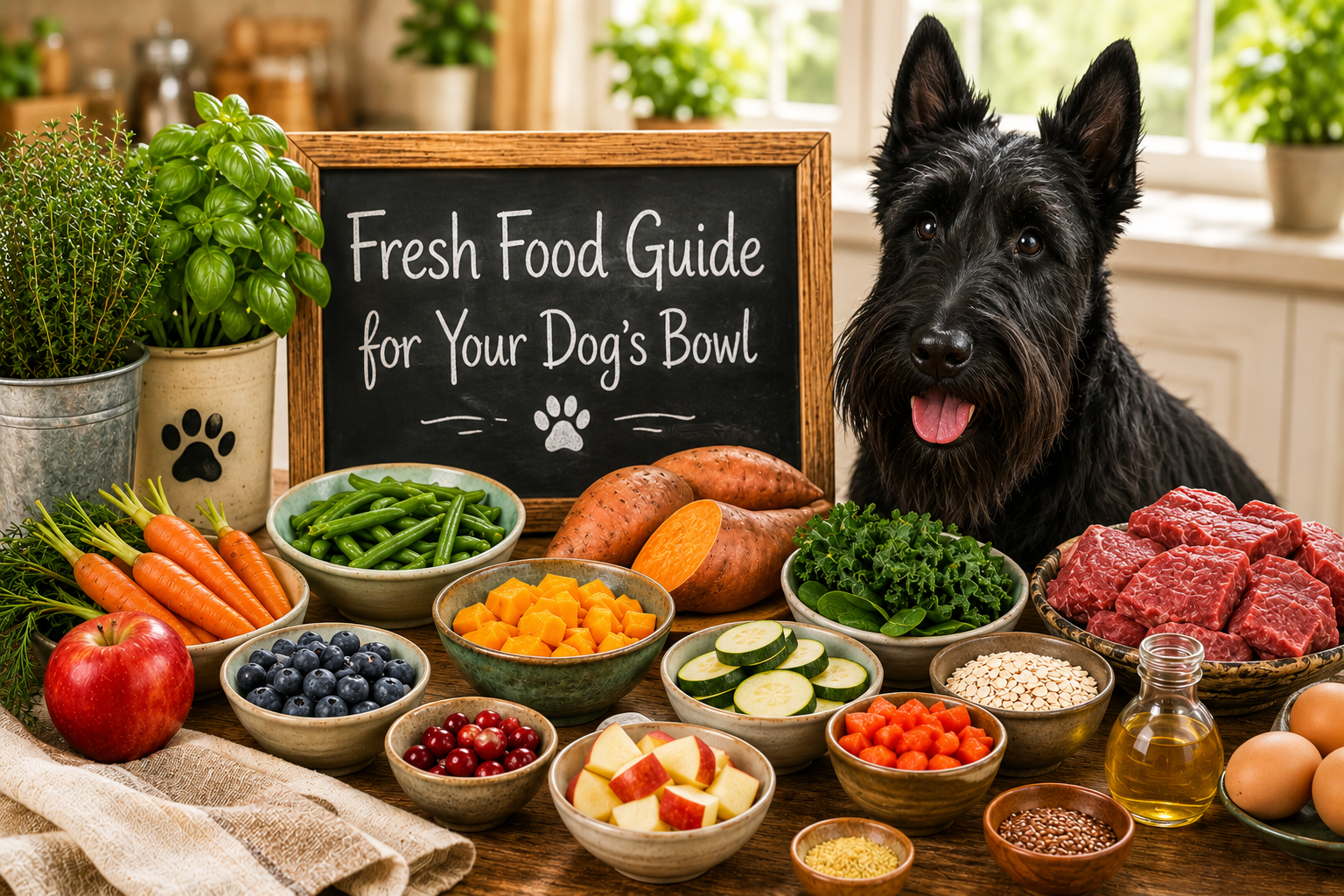
At Waggin Meals Pet Nutrition Co., we believe food should be recognizable, functional, and biologically appropriate. Fresh foods can provide valuable nutrients, antioxidants, fiber, and hydration that help support overall wellness when incorporated appropriately into your dog’s diet.
The foods listed in this guide represent some of the most commonly available fresh foods that many healthy dogs can enjoy as part of a balanced nutrition plan. These ingredients are widely accessible, easy to source, and often found in everyday kitchens.
However, every dog is unique.
Age, breed, activity level, allergies, medications, digestive health, and underlying medical conditions can all influence which foods are appropriate for an individual dog.
Safe Food Guide for Dogs
- Serve human foods plain—without onion, garlic, butter, grease, salt, sauces, marinades or seasoning blends.
- Cook meat, fish, shellfish and eggs thoroughly unless a veterinarian is supervising a specific feeding protocol.
- Remove bones, pits, seeds, stems, tough skins, rinds, shells, skewers and packaging.
- Cut every food to the dog’s body size, chewing style and ability.
- Introduce one new food at a time and begin with a very small amount.
- Stop the food and seek advice if vomiting, diarrhea, itching, swelling, pain, weakness or unusual behavior occurs.
- Treats, toppers and extras should generally remain below 10% of total daily calories unless the complete diet has been professionally formulated.
- Dogs with pancreatitis, diabetes, obesity, kidney disease, liver disease, urinary stones, gastrointestinal disease, food allergy or a veterinary therapeutic diet need individualized guidance.

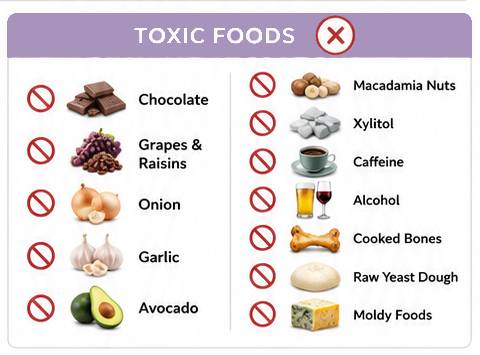
Toxic Food, Household & Outdoor Hazard Guide for Dogs
If your dog ate a potentially toxic food, do not wait for symptoms. Call your veterinarian, the nearest emergency veterinary hospital, ASPCA Animal Poison Control at 888-426-4435, or Pet Poison Helpline at 855-764-7661 immediately. Do not induce vomiting or give hydrogen peroxide, milk, oil, salt, activated charcoal, food or medication unless a veterinarian or animal poison-control professional specifically directs you.
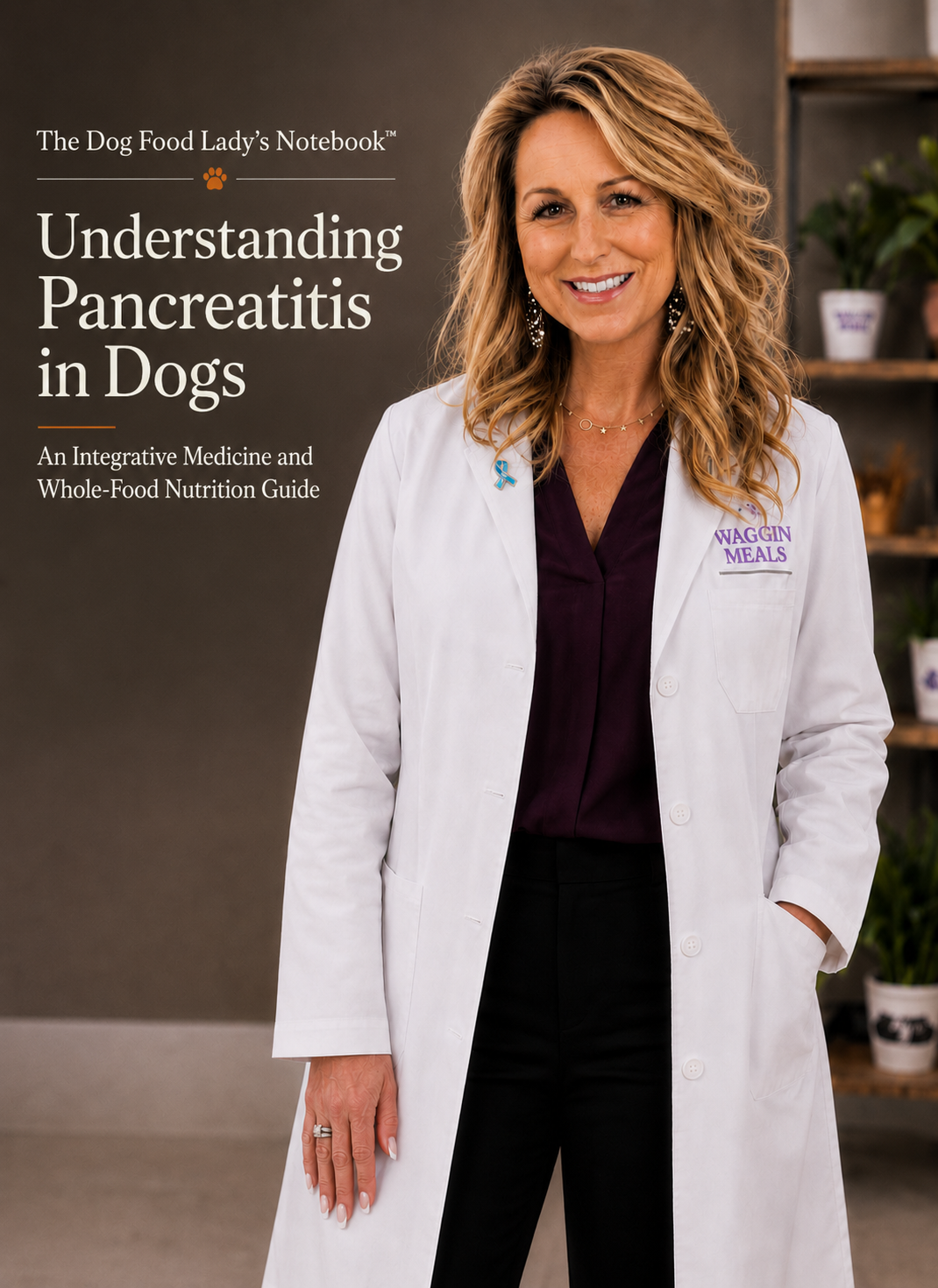
Understanding Pancreatitis in Dogs
A pancreatitis diagnosis can be frightening and confusing.
One day, your dog may seem healthy. The next, they may refuse food, begin vomiting, experience diarrhea, appear painful, or require emergency veterinary care.
Many pet owners leave the veterinary office knowing that their dog may need a lower-fat diet, but still have important questions:
- What is pancreatitis?
- What caused it?
- Was this an isolated event?
- Does my dog now have a chronic condition?
- Which foods are safe?
- Is a prescription diet the only option?
- Can my dog eat a fresh or whole-food diet?
- Which treats, toppers, oils, and supplements should be avoided?
- How can I reduce the risk of another episode?
Pancreatitis cannot be managed by looking at only one ingredient, one laboratory result, or one bag of food.

Picky Dog
It’s More Than Being Picky.
When a dog walks away from the bowl, families are often told the dog is simply “picky.” But appetite is a health and behavior signal. Pain, nausea, dental discomfort, digestive problems, stress, medication effects, sensory changes, feeding routines, and learned patterns may all influence whether a dog feels safe and able to eat.
At Waggin Meals, we begin by asking why eating has become difficult. Our integrative approach brings together veterinary evaluation, feeding-behavior insight, complete and balanced nutrition, digestive support, and a calm mealtime environment.