


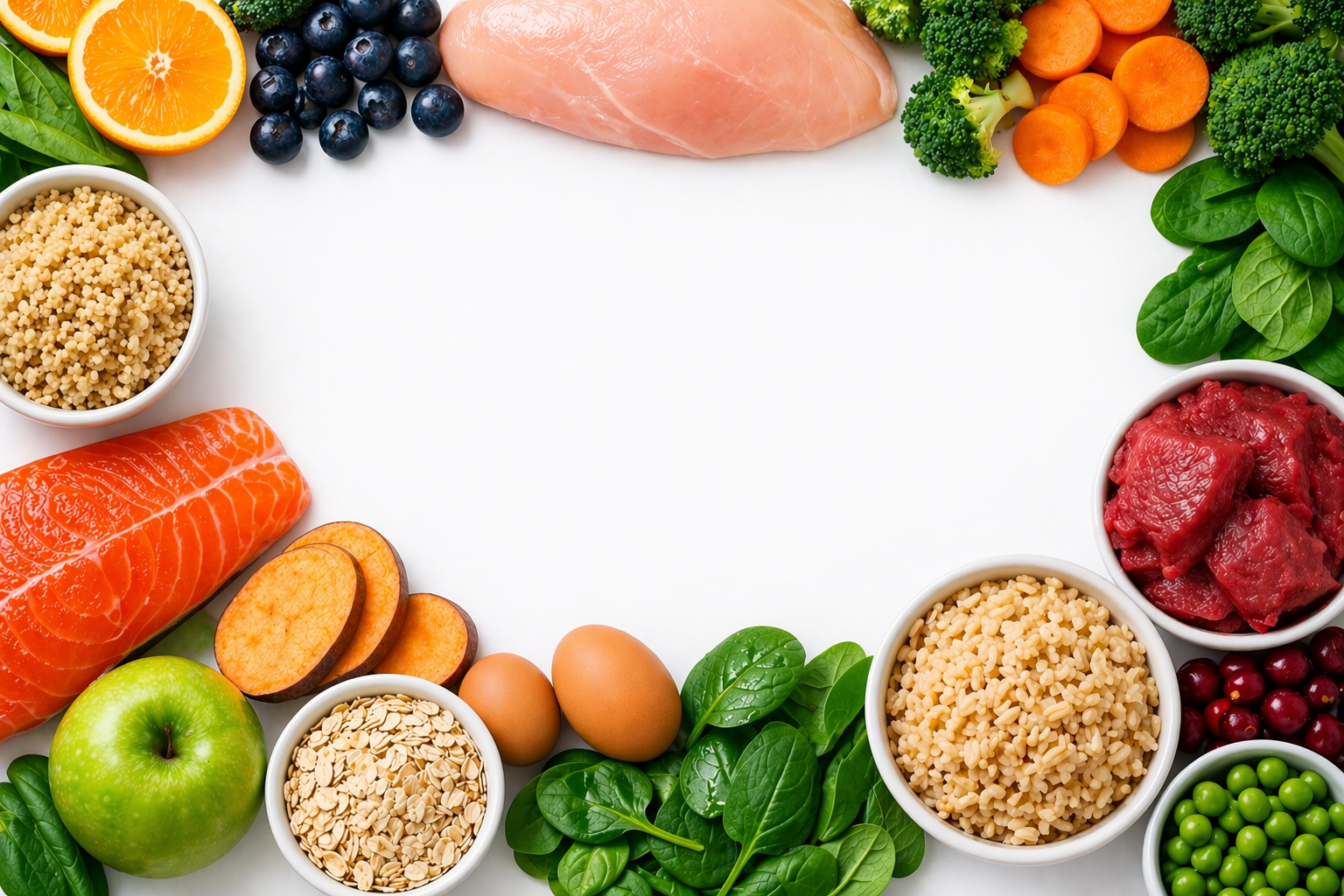
Safe Food Guide for Dogs
Disclaimer
This guide is provided for general educational purposes only. It is not a diagnosis, treatment plan, emergency service or replacement for care from a licensed veterinarian. A food listed as generally safe may still be inappropriate because of an individual dog’s health condition, medication, allergy, calorie needs, portion size or complete diet. This list is not exhaustive, and product formulations may change. Always read the complete ingredient label.
If you believe your dog has eaten a toxic or dangerous substance, contact your veterinarian, the nearest emergency veterinary hospital, ASPCA Animal Poison Control at 888-426-4435, or Pet Poison Helpline at 855-764-7661 immediately. Consultation fees may apply.
Educational only. Not a diagnosis or replacement for veterinary care.
Universal Food-Safety Rules
- Serve human foods plain—without onion, garlic, butter, grease, salt, sauces, marinades or seasoning blends.
- Cook meat, fish, shellfish and eggs thoroughly unless a veterinarian is supervising a specific feeding protocol.
- Remove bones, pits, seeds, stems, tough skins, rinds, shells, skewers and packaging.
- Cut every food to the dog’s body size, chewing style and ability.
- Introduce one new food at a time and begin with a very small amount.
- Stop the food and seek advice if vomiting, diarrhea, itching, swelling, pain, weakness or unusual behavior occurs.
- Treats, toppers and extras should generally remain below 10% of total daily calories unless the complete diet has been professionally formulated.
- Dogs with pancreatitis, diabetes, obesity, kidney disease, liver disease, urinary stones, gastrointestinal disease, food allergy or a veterinary therapeutic diet need individualized guidance.
Choose a category to see foods, serving tips and important cautions.
Food | Potential nutritional contribution | How to serve | Important cautions |
| Lean beef | Complete animal protein plus iron, zinc and vitamin B12. | Fully cook; serve plain; drain visible fat; remove every bone. | Beef can be a food allergen. Avoid fatty cuts, grease, seasoning and sauces. |
| Bison or buffalo | Lean protein with iron, zinc and B vitamins. | Cook thoroughly and serve plain in a dog-sized portion. | Novel does not automatically mean hypoallergenic. Avoid raw meat and high-fat preparations. |
| Chicken | Highly digestible protein and amino acids for normal muscle and tissue maintenance. | Cook thoroughly; remove skin, bones and seasoning. | Chicken is a common food allergen. Rotisserie chicken may contain onion, garlic, salt and excess fat. |
| Turkey | Lean protein plus B vitamins and selenium. | Cook thoroughly; offer plain, skinless and boneless. | Avoid turkey skin, drippings, gravy, deli turkey and seasoned holiday turkey. |
| Pork | Protein, thiamine and other B vitamins. | Use lean, fully cooked pork with visible fat removed. | Avoid bacon, ham, sausage, ribs, grease and raw pork. Processed pork is often high in sodium and fat. |
| Lamb | Protein, iron, zinc and B vitamins. | Serve fully cooked, plain and trimmed of excess fat. | Lamb can be rich and may not suit dogs with pancreatitis or fat restrictions. |
| Venison or elk | Lean protein, iron and B vitamins. | Cook fully and remove bones, shot fragments and excess fat. | Wild game must be handled safely; avoid raw meat and heavily smoked or seasoned products. |
| Rabbit | Lean animal protein and B vitamins. | Cook thoroughly; debone completely before serving. | Small bones are hazardous. Rabbit is not automatically appropriate for every elimination diet. |
| Duck | Protein, iron and B vitamins. | Cook fully; remove skin, fat, bones and seasoning. | Duck skin and rendered fat are very rich and may trigger digestive upset. |
| Goat | Lean protein, iron and zinc. | Cook thoroughly and serve plain. | Avoid bones, fat and heavily seasoned preparations. |
| Eggs | High-quality protein, choline, selenium and several vitamins. | Serve fully cooked and plain—boiled, poached or scrambled without butter or oil. | Raw eggs carry bacterial risk and can upset digestion. Portion size matters. |
| Salmon | Protein and omega-3 fatty acids involved in normal skin, coat, brain and joint function. | Cook thoroughly; serve plain and carefully deboned. | Avoid raw salmon, smoked salmon, heavily salted fish, skin and oil-packed preparations. |
| Sardines | Protein, omega-3 fatty acids, vitamin B12 and selenium. | Choose water-packed, no-salt-added sardines; mash and check for hard bones. | Calorie-dense and sometimes high in sodium. Use small portions. |
| Trout | Protein and omega-3 fatty acids. | Cook thoroughly and remove every bone. | Avoid raw trout because of parasite and bacterial risks, especially in regions associated with salmon poisoning disease. |
| Cod, haddock or pollock | Lean, digestible protein with B vitamins and minerals. | Cook thoroughly; serve plain and boneless. | Avoid battered, fried, salted or smoked fish. |
| Tilapia or other mild whitefish | Lean protein with modest fat. | Cook thoroughly; remove bones and seasoning. | Source quality matters. Avoid fried fish and fish cooked with garlic, onion or butter. |
| Atlantic or Pacific chub mackerel | Protein and omega-3 fatty acids. | Use cooked, plain fish in small portions. | Do not use king mackerel because of higher mercury. Avoid smoked or highly salted mackerel. |
| Tuna | Protein and omega-3 fats. | Only occasional small amounts of light tuna packed in water with no added salt. | Not a routine topper because mercury and sodium can accumulate. Avoid oil-packed, seasoned and albacore-heavy use. |
| Anchovies or herring | Protein and omega-3 fatty acids. | Use plain, cooked or water-packed, low-sodium products in very small amounts. | Many commercial products are heavily salted, smoked or packed in oil. |
| Shrimp | Lean protein plus selenium and vitamin B12. | Cook thoroughly; remove head, shell, tail and vein. | Shells and tails are choking or obstruction hazards. Avoid breading, butter and seasoning. |
| Crab or lobster | Protein, zinc, selenium and vitamin B12. | Cook thoroughly and remove every piece of shell. | Often high in sodium when prepared commercially. Shell fragments are dangerous. |
| Mussels, clams or oysters | Protein, vitamin B12, iron, zinc and other minerals. | Offer only fully cooked, plain, shell-free portions. | Shellfish can cause individual reactions and may be high in sodium. Never offer raw shellfish. |
| Heart or gizzard | Protein, iron and B vitamins; heart is primarily a muscle meat. | Cook thoroughly, trim excess fat and cut into small portions. | Should not replace a balanced diet. Gizzards can be chewy and must be sized safely. |
| Liver or kidney | Concentrated source of protein, iron, vitamin A, copper and B vitamins. | Cook thoroughly and use only as a small, occasional portion. | Too much liver may create vitamin A or copper excess. May be inappropriate for liver disease or copper-associated conditions. |
Food | Potential nutritional contribution | How to serve | Important cautions |
| Asparagus | Fiber, folate and vitamins. | Cook until tender; chop; serve plain. | Raw stalks are tough and may be difficult to chew. Avoid butter and seasoning. |
| Artichoke hearts | Fiber and plant nutrients. | Use plain, cooked hearts cut into small pieces. | Avoid marinated artichokes, leaves, tough outer pieces, oil, garlic and salt. |
| Beets | Fiber, folate and natural plant pigments. | Cook, peel and serve plain in small portions. | Higher natural sugar and oxalate content; limit for diabetic or certain urinary patients. |
| Bell peppers | Vitamin C, beta-carotene and plant antioxidants. | Remove stem and seeds; serve raw or lightly cooked in small pieces. | Avoid hot peppers and seasoned pepper dishes. |
| Bok choy | Fiber, moisture and vitamins A, C and K. | Chop and lightly cook or serve small raw pieces. | Large amounts may cause gas. Use variety rather than one vegetable exclusively. |
| Broccoli | Fiber, vitamin C, vitamin K and plant compounds. | Offer small plain florets, raw or cooked; cut safely. | Large amounts may cause gas or gastrointestinal irritation; thick stalks can choke. |
| Brussels sprouts | Fiber, vitamins C and K. | Cook plain and cut into small pieces. | Commonly causes gas; begin with a very small amount. |
| Cabbage | Fiber, vitamin C and vitamin K. | Serve chopped and lightly cooked or in small raw amounts. | May cause gas. Avoid coleslaw, mayonnaise, onion and seasoning. |
| Carrots | Fiber and beta-carotene; relatively low-calorie crunch. | Serve cooked or raw in size-appropriate pieces. | Whole or large hard pieces can be a choking risk. |
| Cauliflower | Fiber, vitamin C and plant nutrients. | Serve plain, raw or cooked, in small pieces. | May cause gas. Avoid cheese sauce, butter and seasoning. |
| Celery | Water, fiber and a low-calorie crunchy texture. | Remove strings if needed and cut into small pieces. | Large pieces may choke. Nutrient contribution is modest. |
| Collard greens | Fiber, folate and vitamins A, C and K. | Cook plain, chop finely and use a small amount. | Can be high in calcium and oxalates; ask a veterinarian for dogs with urinary stones or kidney disease. |
| Cucumber | Hydration and a low-calorie crunchy option. | Wash, slice and serve plain; peel for sensitive dogs. | Avoid pickles because of salt, garlic, onion and spices. |
| Eggplant | Fiber and plant antioxidants. | Offer a small amount of ripe, cooked, plain eggplant. | Avoid raw, green or heavily seasoned eggplant. Use caution in dogs sensitive to nightshade plants. |
| Green beans | Fiber, moisture and vitamins while remaining relatively low in calories. | Serve fresh, frozen or cooked plain; rinse no-salt-added canned beans. | Avoid casseroles, bacon, butter and onions. |
| Kale | Fiber and vitamins A, C and K. | Use a small amount, finely chopped and lightly cooked. | Not ideal in large amounts, especially for dogs with certain urinary or kidney conditions. |
| Lettuce or romaine | Water, fiber and low-calorie volume. | Wash thoroughly and chop into small pieces. | Iceberg lettuce has little nutritional value; large pieces may be difficult to swallow. |
| Okra | Fiber, folate and vitamin C. | Cook plain or offer tender raw pieces cut safely. | Avoid fried okra and seasoned preparations. |
| Parsnips | Fiber, folate and carbohydrates. | Cook until tender and serve plain. | Contains more starch and calories than many green vegetables. |
| Green peas or snap peas | Fiber, plant protein, vitamins and carbohydrates. | Serve fresh, frozen or cooked plain; remove tough strings. | Avoid canned peas with salt and pea dishes containing butter or onion. |
| Plain pumpkin | Moisture plus soluble and insoluble fiber that may support normal stool quality. | Use cooked pumpkin or 100% pure canned pumpkin. | Do not use pumpkin pie filling. Too much may cause loose stool or excess calories. |
| Radishes | Fiber, vitamin C and crunchy texture. | Wash, trim and offer a small thin slice. | Peppery flavor may irritate some dogs; not suitable for every dog. |
| Rutabaga | Fiber, vitamin C and carbohydrates. | Cook until tender, peel if needed and serve plain. | Starchy; use modest portions. |
| Spinach | Fiber, folate and vitamins A, C and K. | Use small amounts, preferably lightly cooked and chopped. | Contains oxalates; not a routine choice for dogs with kidney disease or calcium-oxalate stones. |
| Sweet potato | Fiber, beta-carotene, potassium and carbohydrates. | Cook thoroughly; peel if needed; serve plain. | Calorie- and starch-dense. Avoid raw sweet potato, sugar, butter and marshmallows. |
| White potato | Carbohydrates, potassium and vitamin C. | Serve fully cooked, plain and without green skin or sprouts. | Never serve raw, green or sprouted potato. Avoid fries, chips, butter and gravy. |
| Turnips | Fiber, vitamin C and carbohydrates. | Cook plain and cut into small pieces. | May cause gas and is somewhat starchy. |
| Winter squash | Fiber, beta-carotene, potassium and carbohydrates. | Cook thoroughly; remove seeds, stem and rind. | Avoid butter, sugar, salt and pie-style seasoning. |
| Zucchini or yellow squash | Moisture, fiber and vitamins with relatively few calories. | Serve raw or lightly cooked, plain and chopped. | Avoid onion, garlic, oil and heavily salted preparations. |
| Corn kernels | Carbohydrates, fiber and some B vitamins. | Serve cooked, plain kernels only. | The cob is a major intestinal-obstruction hazard. Avoid butter and salt. |
| Edamame | Plant protein, fiber, folate and minerals. | Use fully cooked, shelled, plain beans. | Pods are difficult to digest. Soy may not suit dogs with a confirmed sensitivity. |
| Plain seaweed or nori | Iodine and trace minerals. | Only a tiny amount of plain, unseasoned, low-sodium product. | Avoid wild seaweed, seasoned snacks and large amounts because sodium and iodine can be excessive. |
| Ripe red tomato | Water, fiber, vitamin C and lycopene. | Offer only a small amount of ripe red flesh. | Avoid green tomatoes, stems, leaves and vines. Tomato sauces commonly contain onion, garlic, salt and sugar. |
| Cultivated grocery-store mushrooms | Some fiber, B vitamins and minerals. | If used, offer only a small amount of plain, cooked, clearly identified store-bought mushroom. | Wild mushrooms can be fatal and are difficult to identify. The safest simple public message is not to intentionally feed mushrooms. |
Food | Potential nutritional contribution | How to serve | Important cautions |
| White rice | Digestible carbohydrate for energy. | Cook completely in water and serve plain. | Not a complete diet. Portion carefully for diabetic or overweight dogs. |
| Brown rice | Carbohydrate, fiber and B vitamins. | Cook thoroughly and serve plain. | More fiber may be difficult during some gastrointestinal illnesses. |
| Oats or oatmeal | Soluble fiber, carbohydrates and B vitamins. | Cook in water; cool; serve plain. | Avoid flavored packets, raisins, chocolate, artificial sweeteners, milk and excess sugar. |
| Barley | Fiber, carbohydrates and B vitamins. | Cook until soft and serve plain. | Contains gluten-like proteins and may not suit every dog with grain sensitivity. |
| Quinoa | Carbohydrates, plant protein, fiber and minerals. | Rinse well, cook thoroughly and serve plain. | May cause gas; not a substitute for a balanced diet. |
| Buckwheat | Carbohydrates, fiber and minerals; naturally gluten-free. | Cook plain and offer a small amount. | Do not confuse culinary buckwheat seed with unrelated toxic ornamental plants. |
| Millet | Carbohydrates, fiber and minerals. | Cook thoroughly and serve plain. | Starchy and calorie-dense; use small portions. |
| Couscous | Carbohydrates and some protein. | Cook plain with water. | Usually wheat-based; avoid for dogs with confirmed wheat allergy. |
| Plain pasta | Carbohydrates and energy. | Cook fully and serve plain. | Low nutritional value as a treat; avoid sauces, garlic, onion, cheese and salt. |
| Polenta or grits | Corn-based carbohydrate and energy. | Cook with water and serve plain. | Avoid butter, cheese, salt and gravy. |
| Plain baked bread | Carbohydrates and energy. | Only a small piece of fully baked bread with a verified ingredient list. | Low nutritional value. Never offer raw yeast dough; check for raisins, xylitol, chocolate, onion, garlic and nuts. |
| Plain low-sugar cereal | Carbohydrates and sometimes fortified vitamins. | Use only a tiny amount after checking every ingredient. | Many cereals contain raisins, chocolate, xylitol, excessive sugar, salt or nuts; not a preferred treat. |
| Air-popped popcorn | Small amount of fiber and carbohydrate. | Plain, fully popped and without kernels, butter, salt or seasoning. | Unpopped kernels can damage teeth or choke; seasoned popcorn is inappropriate. |
| Plain tortilla | Carbohydrate. | Only a tiny piece of plain corn or flour tortilla. | Low nutritional value and often high in sodium; avoid garlic, onion, cheese and fried chips. |
| Lentils | Plant protein, fiber, folate and minerals. | Cook thoroughly in water and serve plain. | May cause gas. Large pulse-heavy additions can unbalance a diet. |
| Chickpeas | Plant protein, fiber and folate. | Cook until soft or use rinsed no-salt-added canned chickpeas. | Avoid hummus because it commonly contains garlic, lemon, oil and salt. |
| Black, pinto, navy or cannellini beans | Plant protein, fiber and minerals. | Cook thoroughly and serve plain; rinse canned beans. | May cause gas. Avoid baked beans, chili and seasoned mixtures. |
| Red kidney beans | Plant protein, fiber and minerals. | Only fully cooked beans; boil and cook appropriately. | Raw or undercooked kidney beans contain lectins and should never be fed. |
| Tofu | Soy protein and minerals. | Offer a small amount of plain cooked or packaged tofu. | Not a complete protein plan for dogs; avoid seasoned or fried tofu. |
| Peanuts | Protein, fat and niacin. | Only a few plain, unsalted, shelled peanuts. | High fat and calorie-dense; shells can obstruct. Avoid flavored or chocolate-coated peanuts. |
| Peanut butter | Protein, fat and enrichment value. | Use a tiny amount of plain, unsalted peanut butter after confirming it contains no xylitol/birch sugar. | High fat and calories; may be unsuitable for pancreatitis, obesity or fat-restricted diets. |
Food | Potential nutritional contribution | How to serve | Important cautions |
| Plain unsweetened yogurt | Protein, calcium and, in some products, live bacterial cultures. | Choose plain pasteurized yogurt with no xylitol or added sweetener; begin with a teaspoon-sized amount. | Dogs vary in lactose tolerance. Stop if gas, diarrhea or vomiting occurs. |
| Plain kefir | Protein, calcium and live cultures in some products. | Use pasteurized, plain, unsweetened kefir in a very small amount. | May cause digestive upset; check for xylitol, fruit syrups and added sugar. |
| Low-sodium cottage cheese | Protein and calcium. | Offer a small amount of plain, low-fat, low-sodium cottage cheese. | Contains lactose and sodium; may not suit pancreatitis, kidney disease or dairy sensitivity. |
| Mild cheese | Protein and calcium. | Use a tiny piece of lower-fat, lower-sodium cheese. | High calories, fat, sodium and lactose. Avoid blue or moldy cheese. |
| Pasteurized goat milk | Fluid, protein, fat and calcium. | Use only plain pasteurized product in a small amount. | Not lactose-free and can cause diarrhea. Raw milk carries pathogen risk. |
| Cow's milk | Protein, fat, carbohydrate and calcium. | Not needed as a treat; if used, only a small amount of plain pasteurized milk. | Many adult dogs digest lactose poorly; can cause gas or diarrhea. |
| Lactose-free milk | Fluid and calcium. | Only a small amount of plain, unsweetened product after checking ingredients. | Still contributes calories and may contain flavoring or sweeteners. |
| Cashews | Fat, protein, magnesium and copper. | Only one or two plain, unsalted cashews for an appropriate-sized dog. | High fat and calories; avoid mixed nuts because of macadamias, raisins and seasonings. |
| Sunflower seeds | Fat, protein, vitamin E and minerals. | Use shelled, unsalted seeds in very small amounts. | High fat; shells may irritate or obstruct. |
| Pumpkin seeds | Fat, protein, magnesium and zinc. | Use plain, shelled, unsalted seeds; crush for small dogs. | Calorie-dense and not a substitute for veterinary parasite control. |
| Chia seeds | Fiber and alpha-linolenic acid. | Use a small amount soaked in water or mixed into moist food. | Seeds absorb liquid and can cause digestive upset if overused. Confirm portion with a nutrition professional. |
| Ground flaxseed | Fiber and alpha-linolenic acid. | Use freshly ground seed in a small measured amount. | Whole seeds may pass undigested; excessive amounts may cause diarrhea or interact with a medical diet. |
| Sesame seeds | Fat, protein and minerals. | A light sprinkle of plain seeds only. | High calorie; avoid sesame candy, tahini sauces with garlic or excessive oil. |
| Hemp hearts | Protein, fat and minerals. | Use a very small measured amount of plain hemp hearts. | Calorie-dense; cannabinoid-containing products are different and should not be substituted. |
| Pine nuts | Fat, protein and minerals. | Only a very small amount of plain, unsalted nuts. | High fat and expensive calories; not suitable for pancreatitis-prone dogs. |
| Almonds or hazelnuts | Contain fat, protein and minerals but provide little practical benefit for dogs. | Not recommended as a routine treat. | Hard shape can choke or obstruct; high fat may trigger digestive upset; flavored nuts may contain salt, chocolate or xylitol. |
Food | Potential nutritional contribution | How to serve | Important cautions |
| Basil | Aromatic plant compounds and small amounts of vitamins. | Use only a pinch of fresh or dried culinary basil in food. | Essential oils and concentrated extracts are not equivalent to the herb. |
| Cilantro | Aromatic plant compounds and small amounts of vitamins. | Use a few finely chopped leaves. | May cause digestive upset in some dogs. |
| Dill | Aromatic plant compounds. | Use a small culinary amount of fresh or dried dill. | Avoid dill pickles and seasoning blends because of salt, garlic and onion. |
| Parsley | Vitamin K, vitamin C and aromatic plant compounds. | Use a small amount of common culinary parsley, finely chopped. | Do not use large medicinal doses or unfamiliar parsley-like wild plants. |
| Rosemary | Aromatic plant compounds. | Use only a small culinary amount. | Avoid rosemary essential oil or concentrated extracts unless directed by a veterinarian. |
| Thyme | Aromatic plant compounds. | Use a pinch of culinary thyme. | Avoid concentrated oils and heavily seasoned foods. |
| Mint | Aroma and small amounts of plant compounds. | Use one or two leaves of common culinary mint. | Pennyroyal mint is toxic; avoid essential oils and sugar-free mint products. |
| Ginger | Flavor and plant compounds that may affect digestion. | Use only a tiny culinary amount of fresh or powdered ginger. | Can irritate the stomach and may interact with medications or clotting disorders. |
| Turmeric | Curcumin-containing spice with plant antioxidant activity. | Only a small culinary amount if the dog's veterinarian agrees. | Can upset digestion and may interact with medications, gallbladder disease or clotting conditions. |
| Cinnamon | Flavor and plant compounds. | A light culinary dusting is generally different from concentrated exposure. | Large amounts of powder and cinnamon oil can irritate the mouth, lungs and liver. Avoid cinnamon candies and essential oils. |
Food | Potential nutritional contribution | How to serve | Important cautions |
| Avocado | Ripe flesh is not considered a common dog poison, but it is high in fat. | Do not make it a routine treat; never allow access to pit, skin, leaves or plant. | Pit can obstruct; high fat may cause digestive upset or pancreatitis. Guacamole commonly contains onion and garlic. |
| Coconut oil | Concentrated fat with no essential need as a casual topper. | Use only if intentionally included in a professionally balanced plan. | May cause diarrhea, weight gain or pancreatitis in susceptible dogs. |
| Cherries | The flesh contains nutrients, but safe preparation is impractical. | The safest public recommendation is to avoid whole cherries. | Pits, stems and leaves contain cyanogenic compounds and pits can obstruct. |
| Star fruit | Contains vitamin C and plant compounds. | Not recommended for dogs, especially those with kidney disease. | High oxalate content can be problematic; little reason to use it as a treat. |
| Lemons, limes and grapefruit | Flesh contains vitamin C but provides little need for dogs. | Do not intentionally offer; prevent access to peels and oils. | Acid can upset the stomach; peels, seeds and essential oils are more concerning. |
| Raw meat, fish or eggs | Contain protein and nutrients, but cooking improves household safety. | Use cooked animal foods unless working with a veterinarian on a specific plan. | Raw products may carry Salmonella, Listeria, E. coli, parasites and can expose people in the home. |
| Processed meats | Provide protein but often contain excess fat and sodium. | Avoid bacon, sausage, hot dogs, ham, pepperoni, deli meat and jerky made for people. | May contain onion, garlic, smoke flavor, nitrates, sugar and very high sodium. |
| Fatty scraps and drippings | High-calorie fat with little nutritional balance. | Do not feed poultry skin, steak fat, bacon grease, gravy or pan drippings. | Can cause vomiting, diarrhea and pancreatitis in susceptible dogs. |
| Ice cream and sweetened dairy | No meaningful nutritional advantage over a balanced diet. | Avoid routine feeding. | Often high in sugar, fat and lactose and may contain xylitol, chocolate, coffee, raisins or macadamias. |
| Human broths, stocks and soups | May provide fluid and flavor. | Use only a product confirmed free of onion, garlic, excessive sodium and unsafe sweeteners. | Most commercial and homemade recipes contain allium seasonings or too much salt. |
| Commercial baby food | Soft texture may seem useful. | Use only after reading the complete label and with veterinary direction. | Many savory varieties contain onion or garlic powder. |
| Protein bars, nutrition shakes and gummies | Designed for people, not dogs. | Keep completely out of reach. | May contain xylitol, chocolate, caffeine, raisins, high-dose vitamins, iron or stimulants. |
Lorem Ipsum
Lorem Ipsum
Disclaimer
This guide is provided for general educational purposes only. It is not a diagnosis, treatment plan, emergency service or replacement for care from a licensed veterinarian. A food listed as generally safe may still be inappropriate because of an individual dog’s health condition, medication, allergy, calorie needs, portion size or complete diet. This list is not exhaustive, and product formulations may change. Always read the complete ingredient label.
If you believe your dog has eaten a toxic or dangerous substance, contact your veterinarian, the nearest emergency veterinary hospital, ASPCA Animal Poison Control at 888-426-4435, or Pet Poison Helpline at 855-764-7661 immediately. Consultation fees may apply.
Educational only. Not a diagnosis or replacement for veterinary care.